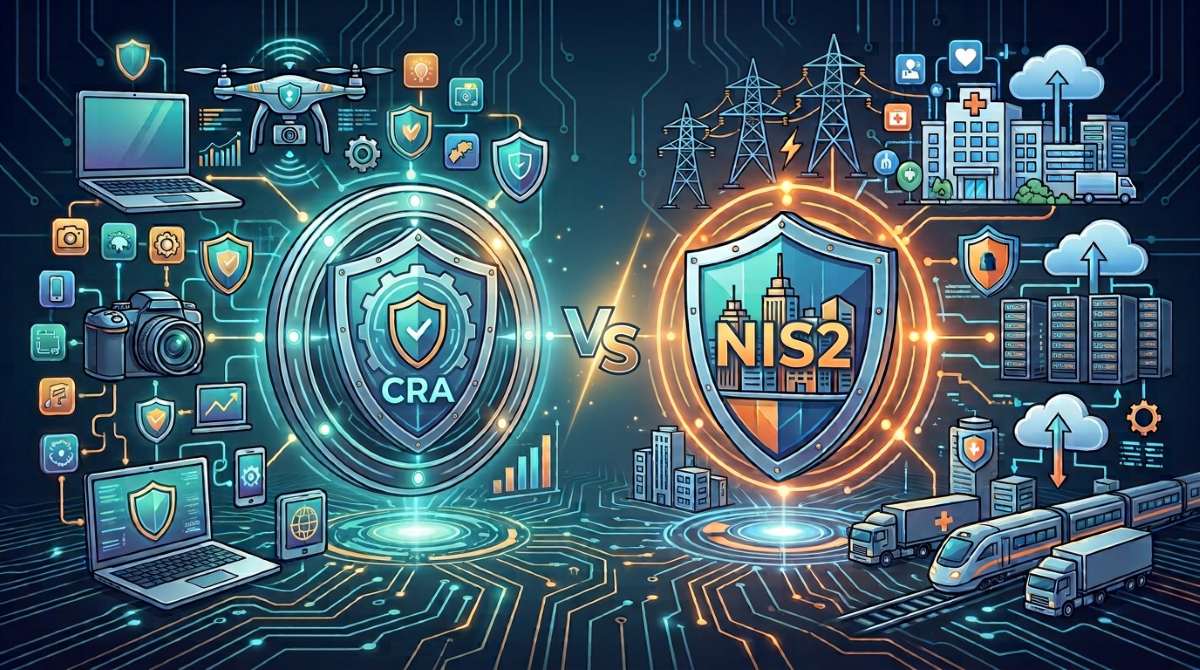
Table 1: Comparison of the CRA and NIS2.
| Main focus | Security of products with digital element | Security of the organization and its processes |
| What is applied to | Products that companies build or sell | Services that companies provide and the way they operate |
| Legal form | Applies directly across all European Union countries | Must be turned into national laws by each country |
| What it covers | Software and hardware products | Company systems, networks, operations, and service delivery |
| Core idea | Make products secure from the start and keep them secure | Keep organizational processes and services secure at all time |
| Basis of information | European Commission documents (European Commission 2023a) | European Commission documents (European Commission 2023b) |
While the differences between CRA and NIS2 are clear, the situation in which companies must foll the CRA, NIS2 or both are presented in Table 2, which summarizes the main condition for these three cases.
Table 2: Which companies must follow CRA, NIS2 or both (ENISA 2023).
| Rule / Case | Companies that must follow it | Examples |
| CRA | Companies that build software or digital devices, sell them in the European Union, or import them | Software developers, device makers, digital product distributors |
| NIS2 | Companies that provide essential or important services, belong to a listed sector, or act as managed service providers | Energy providers, health services, transport operators, IT service companies |
| Both CRA and NIS2 | Companies that build digital products and also operate in essential sectors, or software vendors that support critical fields | A medical device maker, a software company serving critical infrastructure, a managed service company that also builds products |
There is also confusion for small and medium companies. Many software companies believe they must follow NIS2 even when they only build products and do not provide essential services. In most situations these companies fall under the CRA but not NIS2. Other companies think CRA applies to them even though they only offer services and do not develop products. These companies often fall under NIS2 but not the CRA. Software as a Service (SaaS) companies must look closely at their situation. More specifically:
- If a company delivers the product as a service, it might fall under NIS2.
- If the company also sells the software as a product, it might fall under the Cyber Resilience Act (CRA) as well.
These situations are discussed in various European guidance notes and explain why companies must review their setup carefully (ENISA 2023).
Every company should know what steps to take next. The steps for each different company situation are displayed in Table 3.
Table 3: Recommended Next Steps for Companies Under CRA, NIS2, or Both
| Company Situation | Recommended Next Steps |
| Company must follow the CRA |
|
| Company must follow NIS2 |
|
| Company must follow NIS2 |
|
Both the European Commission and ENISA advise companies to begin preparing early because meeting the requirements takes time (European Commission 2023a, European Commission 2023b, ENISA 2023).
In conclusion, the CRA focuses on the security of products and the NIS2 directive focuses on the security of services. A company that builds products should look at the CRA. A company that runs essential services should look at NIS2. Some will need to follow both rules. Understanding the difference helps companies prepare and avoid confusion during this new period of digital security in the European Union.
This article is based on information from the European Commission and from ENISA which are the official sources for these rules.
References:
- ENISA 2023, Guidance on CRA and NIS2, European Union Agency for Cybersecurity, viewed 2023.
- European Commission 2023a, Cyber Resilience Act, European Commission, viewed 2023.
- European Commission 2023b, NIS2 Directive Information Page, European Commission, viewed 2023.